What is it like to begin your professional career during a global pandemic?
For many experienced leaders, remote work meant adapting established routines. But for graduates entering the workforce, it meant something entirely different.
How do you build relationships with colleagues you have never met?
How do you lead a project team without face-to-face interaction?
How do you earn trust when communication happens almost entirely online?
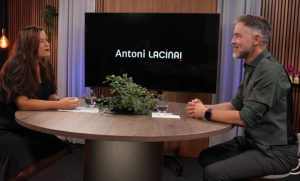
These were some of the questions I explored in my conversation with Utkarsha Mehta, who had recently graduated from university and started her career as a Management Trainee at Atlas Copco.
Her experiences offer valuable insights not only for new professionals but also for leaders responsible for onboarding and developing talent in virtual environments.
Starting a Career Without a Traditional Workplace
The first months in a new job are usually filled with opportunities to learn through observation.
You meet colleagues over coffee.
You overhear conversations.
You ask spontaneous questions.
You gradually become part of the culture.
Remote work changes that experience completely.
Many new employees begin their careers without ever walking through the office door.
Instead of learning naturally through everyday interactions, they must build relationships through scheduled meetings, emails, and digital collaboration tools.
For many young professionals, this creates an entirely new set of challenges.
Leading People You Have Never Met
One of the most interesting parts of my conversation with Utkarsha was hearing about her experience leading temporary project teams.
Imagine being responsible for coordinating people when:
- You have never met them in person.
- Communication happens mainly through digital channels.
- Video meetings are rarely used.
- Everyone is working remotely.
Leadership becomes less about authority and more about communication.
Without informal conversations or face-to-face interaction, leaders must be much more intentional about building relationships.
The Biggest Challenge: Getting to Know People
When I asked Utkarsha about the biggest challenge, her answer was both simple and powerful:
Getting to know people.
This is something many leaders underestimate.
Trust rarely develops through project updates alone.
People build trust by understanding each other as individuals.
In virtual environments, those opportunities do not happen naturally.
Leaders need to create them.
That might mean:
- Scheduling informal conversations.
- Asking personal but appropriate questions.
- Taking time to understand communication preferences.
- Creating space for people to share ideas and experiences.
Relationships cannot be left to chance.
What Leaders Can Learn From New Employees
Conversations with people early in their careers often reveal challenges experienced leaders no longer notice.
New employees see organizations with fresh eyes.
They quickly identify:
- Where communication works well.
- Where information is missing.
- Where onboarding could improve.
- Where leaders make people feel included—or excluded.
Listening to their experiences provides valuable feedback for organizations seeking to improve their leadership practices.
Communication Is the Foundation of Virtual Leadership
Throughout my work with leaders across different industries, I continue to see the same pattern:
Communication creates connection.
Connection builds trust.
Trust enables collaboration.
And collaboration produces better results.
Technology allows us to work remotely.
Communication allows us to work together.
Whether someone has twenty years of experience or twenty days, every person wants to feel:
- Welcome.
- Included.
- Heard.
- Supported.
These needs have not changed.
The way we meet them has.
Building Better Virtual Teams
Remote and hybrid work are now part of many organizations.
That means leaders need to become more intentional about creating team cohesion.
Simple actions can make a significant difference:
- Introduce new employees personally rather than just by email.
- Encourage cameras during important relationship-building meetings where appropriate.
- Schedule regular one-to-one conversations.
- Create opportunities for informal interaction.
- Celebrate milestones and achievements together.
These practices help people feel connected, even when they are physically apart.
Final Thoughts
One of the reasons I enjoy conversations like this is that they remind us leadership is experienced differently depending on where we are in our careers.
For someone starting their first job, every interaction matters.
Every conversation shapes confidence.
Every leader influences whether a new employee feels they belong.
Virtual leadership is not simply about managing remote work.
It is about creating human connection despite physical distance.
That requires curiosity, empathy, and intentional communication.
Watch the Full Interview
In this 23-minute conversation, Utkarsha Mehta shares her experience of:
- Starting her career during the pandemic.
- Leading project teams remotely.
- Building relationships without face-to-face interaction.
- Navigating communication challenges in a virtual workplace.
Whether you are a leader, HR professional, manager, or someone beginning your own career, I hope this interview offers useful perspectives on leading and working in today’s changing world.