The workplace is changing faster than ever.
Many organizations are facing uncertainty, new ways of working, and challenges around employee engagement. During these times, one thing becomes even more important:
The human side of work.
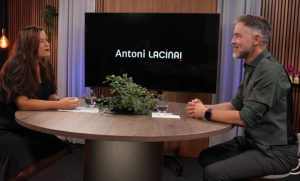
I recently had the pleasure of joining Traci Chernoff on the Bringing the Human Back to Human Resources podcast for a meaningful conversation about employee engagement, workplace culture, and the role communication plays in creating healthier and more connected organizations.
One of the biggest topics we explored was this:
How can leaders keep people engaged, motivated, and connected, especially during uncertain times?
The answer starts with communication.
Why Communication Is at the Heart of Employee Engagement
Employee engagement is not created by policies, benefits, or company slogans alone.
People become engaged when they feel connected to their work and their organization.
They want to know:
- Does my work matter?
- Does my leader care about me?
- Are my ideas and opinions valued?
- Do I feel respected and trusted?
Communication is the bridge between leadership intentions and employee experiences.
A leader may have the best plans in the world, but if those plans are not communicated clearly and consistently, people may feel confused or disconnected.
Bringing the Human Back Into Leadership
The title of the podcast says it perfectly: bringing the human back into Human Resources.
Behind every role, title, and responsibility is a person with their own experiences, challenges, goals, and emotions.
Great workplaces are built when leaders remember this.
Human-centered leadership means:
- Listening before responding
- Showing empathy while maintaining accountability
- Creating psychological safety
- Having honest conversations
- Treating people as individuals, not just resources
When people feel seen and valued, they are more likely to contribute their best.
Can Difficult Personalities Contribute to Positive Environments?
During the conversation with Traci, we also discussed an interesting question:
Can toxic personalities ever contribute to positive environments?
This is a complex topic because every workplace includes different personalities, communication styles, and behaviors.
The key is understanding the difference between challenging behavior and harmful behavior.
A person who challenges ideas, asks difficult questions, or brings a different perspective can create valuable discussions.
However, behaviors that damage trust, create fear, or negatively affect others cannot be ignored.
Leaders have a responsibility to create environments where people can speak openly while also maintaining respect and accountability.
Communication Creates Culture
Culture is not created by what is written on a company website.
Culture is created through everyday interactions.
It is created by:
- How leaders communicate during difficult moments
- How teams handle disagreements
- How feedback is shared
- How people support each other
Every conversation contributes to the workplace culture.
This is why communication is one of the most important leadership skills.
Leading Through Uncertainty
Uncertain times require more communication, not less.
When people lack information, they often create their own explanations.
Silence from leaders can create:
- Rumors
- Anxiety
- Lack of trust
- Reduced motivation
Even when leaders do not have all the answers, they can still communicate honestly.
Saying:
“I don’t have the answer yet, but this is what we know and this is what we are doing next”
creates more trust than avoiding the conversation.
Engagement Starts With Better Conversations
Throughout my career working with leaders and organizations, I have seen that better communication leads to better relationships.
And better relationships create better results.
Engagement is not something leaders can demand.
It is something they create through consistent actions and meaningful conversations.
When people feel heard, respected, and included, they naturally become more connected to their work.
Listen to the Full Conversation
In this episode of Bringing the Human Back to Human Resources, Traci Chernoff and I discuss:
- How communication influences employee engagement
- Building stronger workplace relationships
- Leading during uncertain times
- Understanding workplace behaviors and personalities
- Creating more human-centered organizations
I hope this conversation gives you new ideas and inspires you to create more meaningful conversations in your workplace.
Listen to the full episode here:
Podcast: Bringing the Human Back to Human Resources with Traci Chernoff